By the time everyone is talking about a neighbourhood, prices may already reflect its growing popularity.
The better opportunity can be finding an area while it is still changing, before it becomes one of the places everyone wants to live.
That does not mean trying to guess which neighbourhood will suddenly become the next big thing. Instead, look for small changes in the housing market, local businesses, development and buyer behaviour that can point to growing demand.
Here are some of the signs worth watching.
1. More Homes Are Starting to Sell
One of the first things to look at is sales activity. Prices do not always rise immediately when demand starts increasing. Sometimes the first change is simply that more properties begin selling.
If a neighbourhood that was relatively quiet starts recording more transactions month after month, buyers may be starting to pay attention. This is why looking only at average prices can be misleading. Sales activity can sometimes show a shift before prices catch up.
2. There Are Fewer Homes Available
Growing sales become even more interesting when there are fewer properties available for buyers to choose from. If new listings are limited while homes continue to sell, competition can gradually increase. Over time, that can put upward pressure on prices, especially if the neighbourhood has qualities buyers are actively looking for, such as transit access, good schools, parks or more affordable homes compared to nearby areas.
When evaluating a neighbourhood, look at both sales and inventory rather than focusing on price alone.
3. Homes Are Selling Faster
Days on market can tell you a lot about buyer demand. Maybe similar homes in an area used to take a month or longer to sell, but now they are selling within a couple of weeks. That change matters. Faster sales can suggest that buyers are becoming more confident about the neighbourhood, even if average prices have not changed dramatically yet.
Look at several recent sales rather than one property. One home selling quickly could simply be priced well. A pattern of homes selling faster is much more meaningful.
4. Sellers Have More Negotiating Power
Pay attention to what happens between the listing price and the final sale. In a slower neighbourhood, you may see frequent price reductions, relistings and properties sitting on the market for long periods.
As demand strengthens, some of those signs may begin to disappear. Homes start selling without multiple price reductions. Sellers may become less willing to accept aggressive offers. Well-priced properties may attract interest shortly after being listed. That does not automatically mean prices are about to jump, but it can be another sign that the balance between buyers and sellers is changing.
5. Transit and Infrastructure Are Improving
Real estate is heavily influenced by how easy and convenient an area is to live in. New transit routes, subway or LRT stations, parks, schools, community centres, bike infrastructure and road improvements can all change how buyers view a neighbourhood.
The important part is to look ahead. A major infrastructure project may take years to complete, but buyers and developers often begin paying attention long before opening day.
If you are considering buying in an area, find out what has already been approved or planned nearby.
6. New Businesses Are Opening
Take a walk through the neighbourhood. Are previously empty storefronts being filled? Are new restaurants, cafés, grocery stores, fitness studios or professional services opening? One new coffee shop does not transform a neighbourhood. But when several businesses start investing in the same area, it can signal growing confidence in the local community.
Businesses pay attention to population growth, spending and future demand too. A changing commercial strip can sometimes tell you just as much about a neighbourhood as the housing statistics.
7. Homeowners Are Renovating
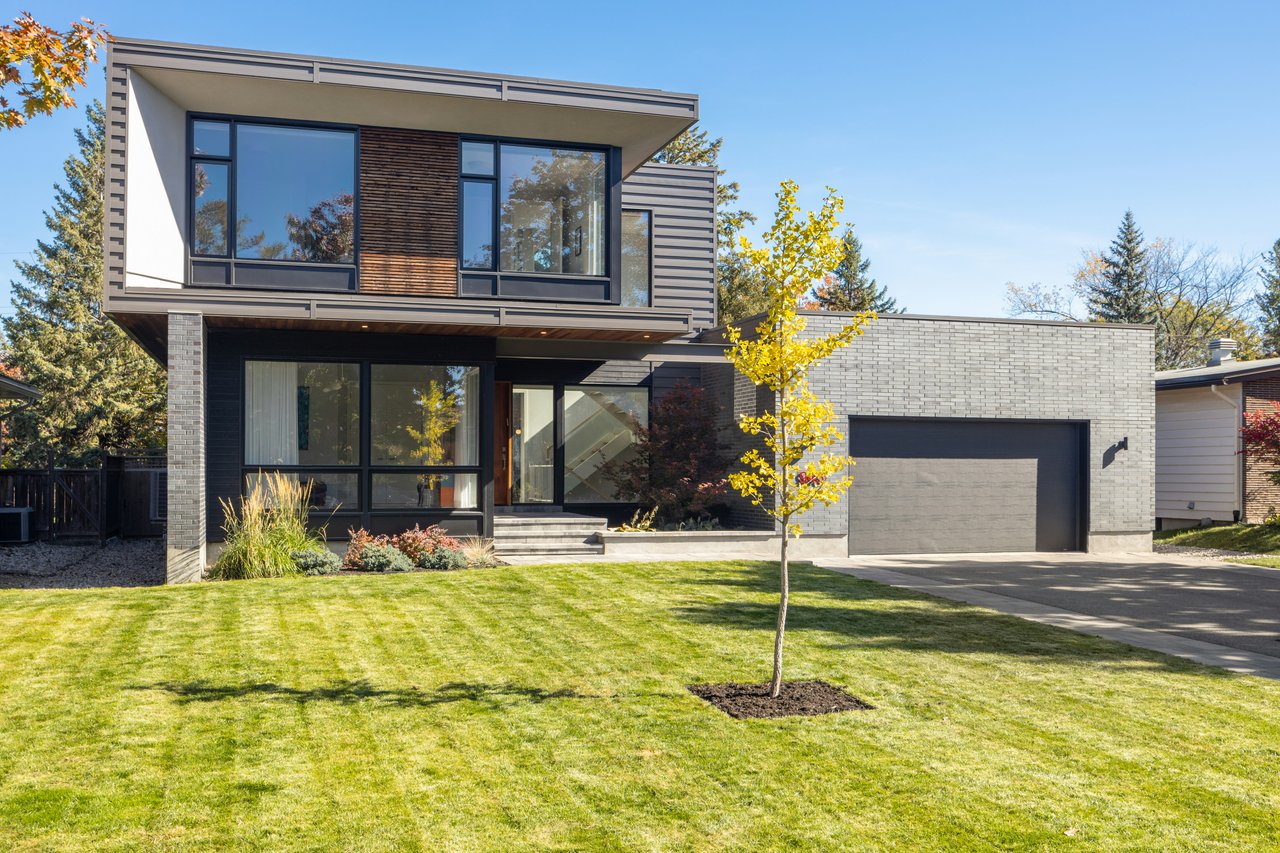
Another thing to watch is what homeowners are doing with their properties. If you see additions, major renovations, new landscaping, exterior upgrades and older properties being modernized throughout the neighbourhood, owners may be investing because they see long-term value in staying there.
One renovated home means very little. An entire street where people are improving their properties is much more interesting. Over time, these individual renovations can change the overall look and value of an area.
8. Developers Are Paying Attention
Development often starts on paper long before construction begins. Look for rezoning applications, new condo proposals, multiplexes, townhome developments and other projects being planned in the area. This can give you an idea of where developers believe future demand will be.
Of course, more development is not always automatically positive. A huge amount of new supply can affect prices differently, particularly in the condo market. The key is understanding what is being built, how much is coming and how it could change the neighbourhood.
9. Look at the Neighbourhood Next Door
Sometimes the easiest way to find an emerging area is to look beside an established one.
Imagine two neighbourhoods with similar access to transit, parks, schools and employment, but homes in one area are noticeably less expensive. That price gap is worth investigating. There may be a good reason for it. But sometimes the difference simply comes from one neighbourhood having a stronger reputation or becoming popular earlier.
As buyers get priced out of established areas, they often begin looking just outside them for better value. That is how demand can gradually spread from one neighbourhood to the next.
Look for a Pattern, Not One Sign
There is no single formula that tells you a neighbourhood is about to take off. A new restaurant does not guarantee higher property values. Neither does a transit project or a few quick sales.
The stronger signal is when several things start happening at the same time. More homes are selling. Inventory is tightening. Properties are selling faster. New businesses are opening. Homeowners are renovating. Infrastructure is improving. Development applications are increasing. When those pieces begin coming together, the neighbourhood may be worth a closer look.
And remember, buying in an up-and-coming area is not only about finding the neighbourhood with the biggest potential price increase. You still need to consider whether the location, property type, budget and lifestyle make sense for you.
At The Zadegan Group, we track neighbourhood-level market activity across Toronto and the GTA to help buyers understand where opportunities may be developing and, more importantly, whether they make sense for their individual goals.
Thinking about buying and wondering which neighbourhoods should be on your radar? Contact The Zadegan Group to explore your options.